

Wishbone Chair (CH24)
Hans Wegner CH24 Wishbone chair
The Wishbone Chair—officially the CH24—is one of the most iconic pieces of Danish modern design. Designed in 1949 by Hans J. Wegner and still produced today by Carl Hansen & Søn, it represents the perfect balance between sculptural form and everyday function. Wegner was inspired by traditional Chinese Ming dynasty chairs, which you can see in the curved top rail and open back. The signature Y-shaped support—what gives the chair its “Wishbone” name—isn’t just decorative; it provides structural support while allowing for a lighter, more open silhouette.
Danish Cording with Mod Restoration
At Mod, our goal is to preserve the integrity of these original pieces. Danish cord is made from tightly twisted kraft paper, forming a durable yet flexible weave that requires no added finish. We use the proper hand-woven wrapping technique—never laced—ensuring a clean, seamless seat that reflects the original construction and stands the test of time. Click below to get a quote to restore your Wishbone chair.
More
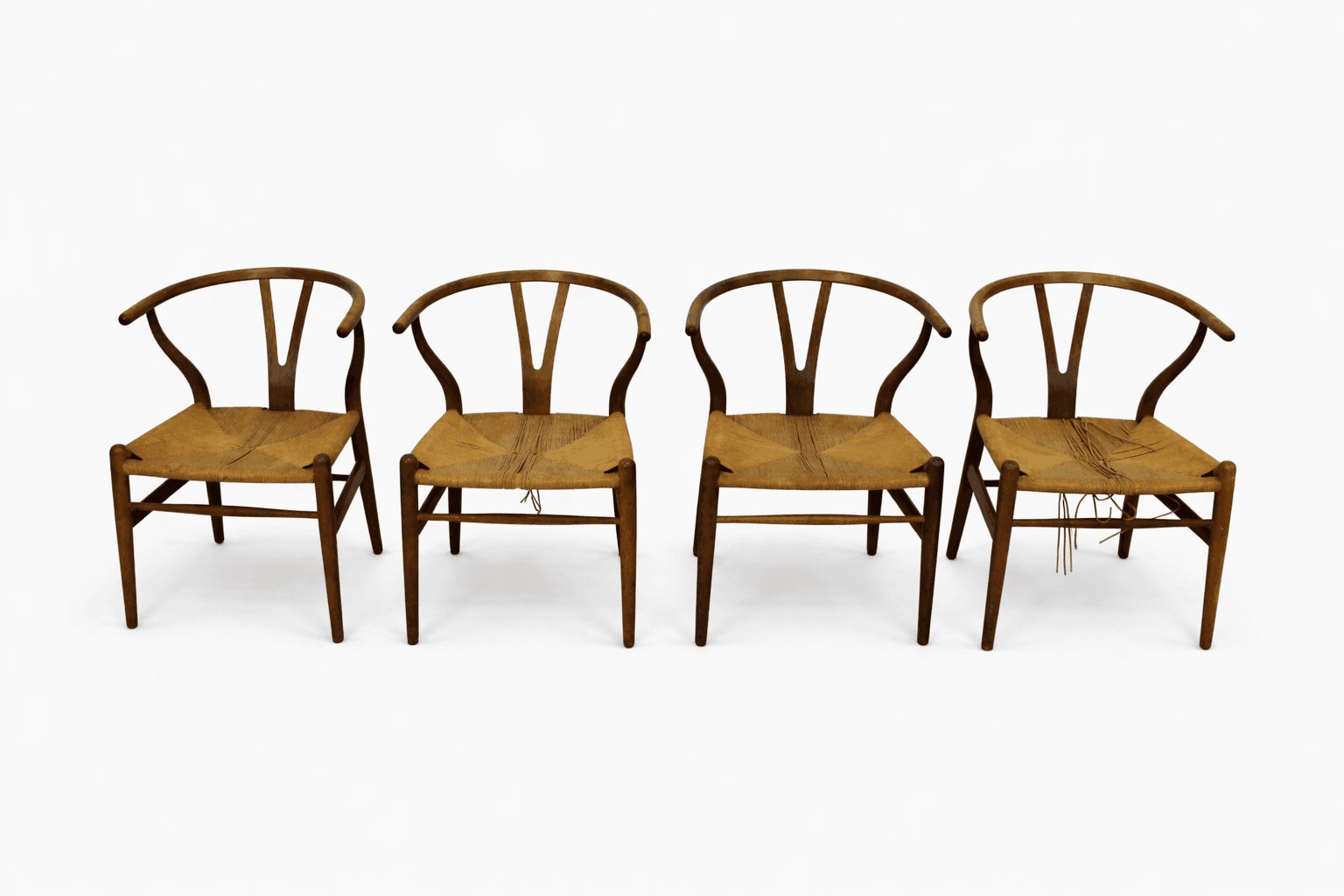
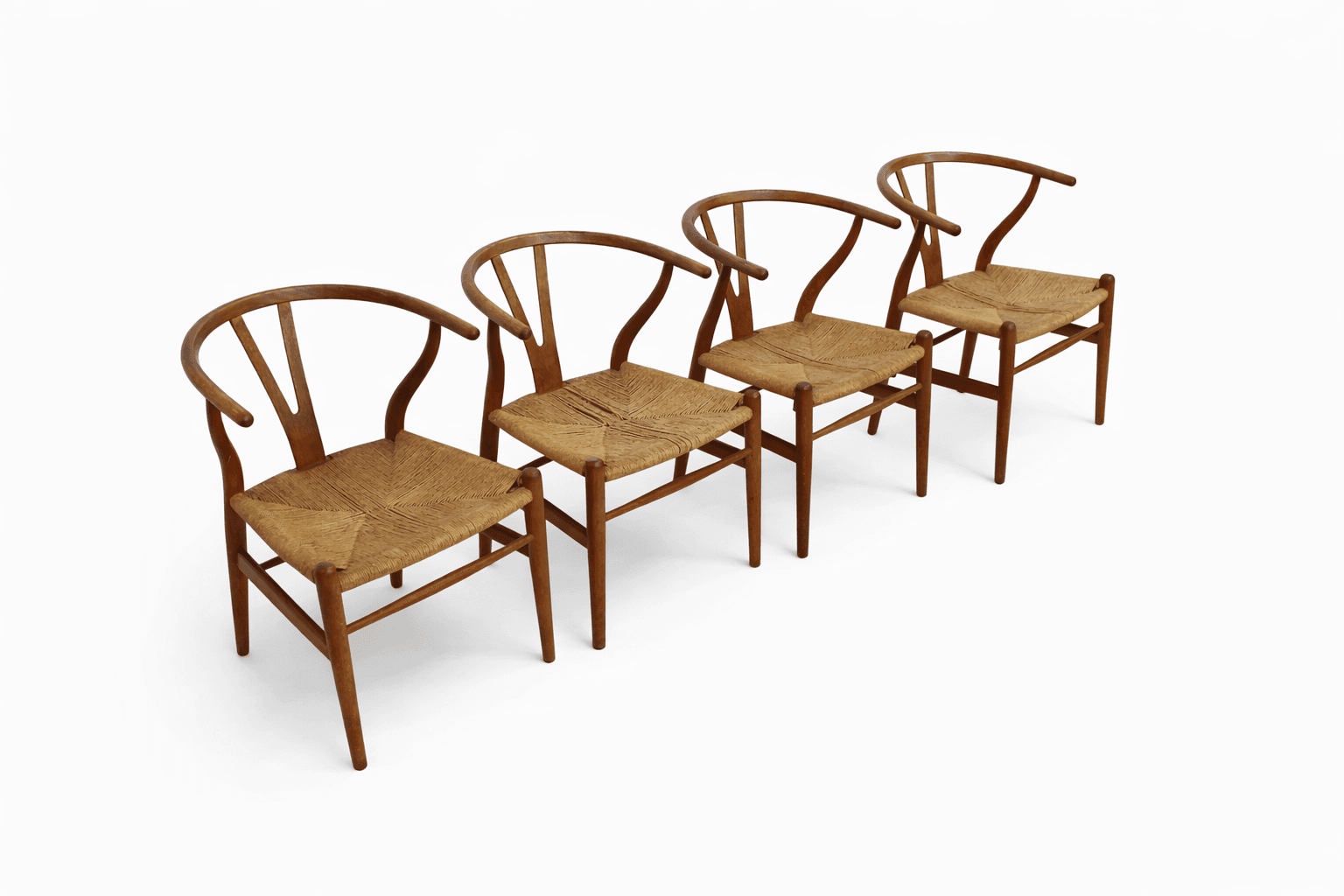
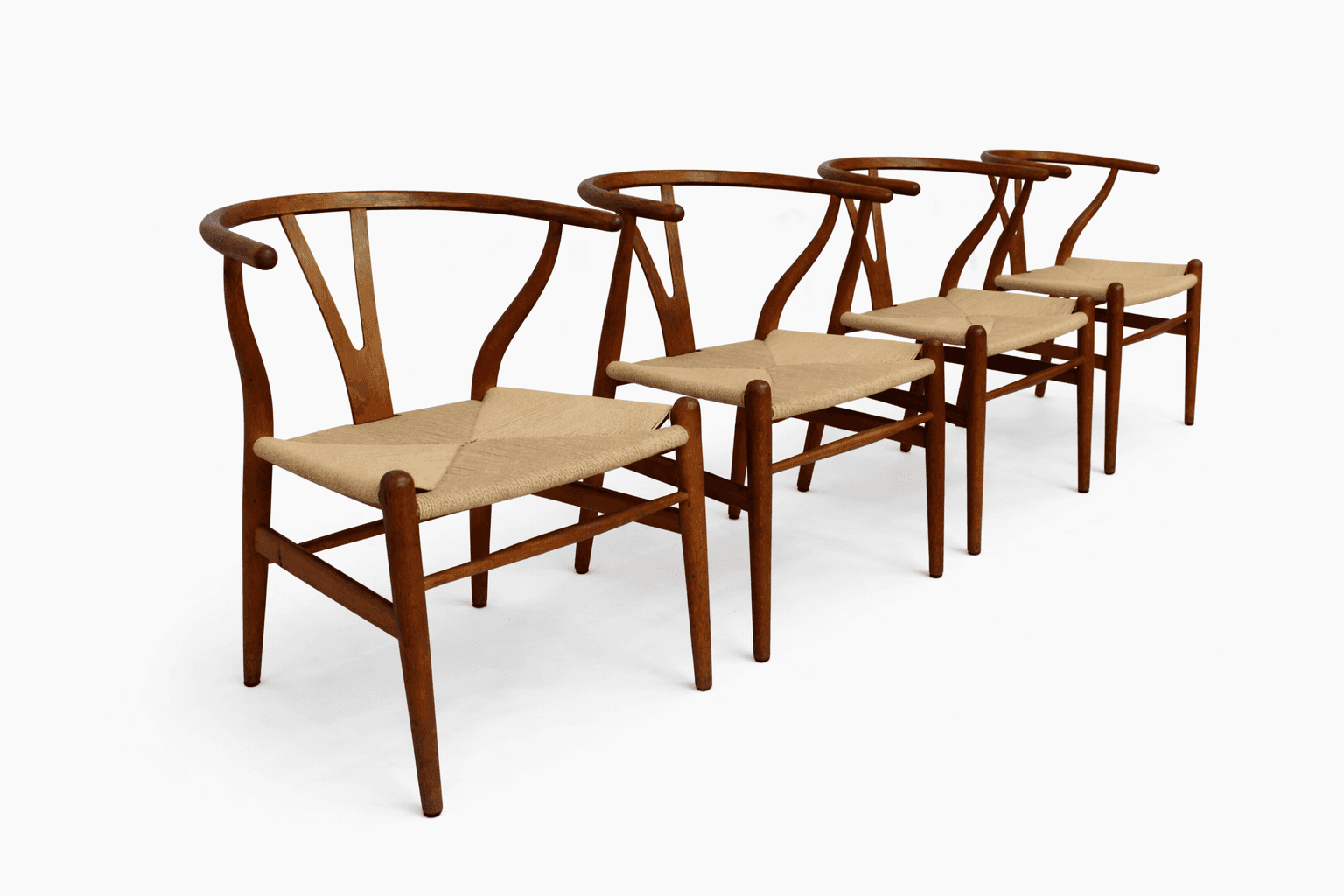
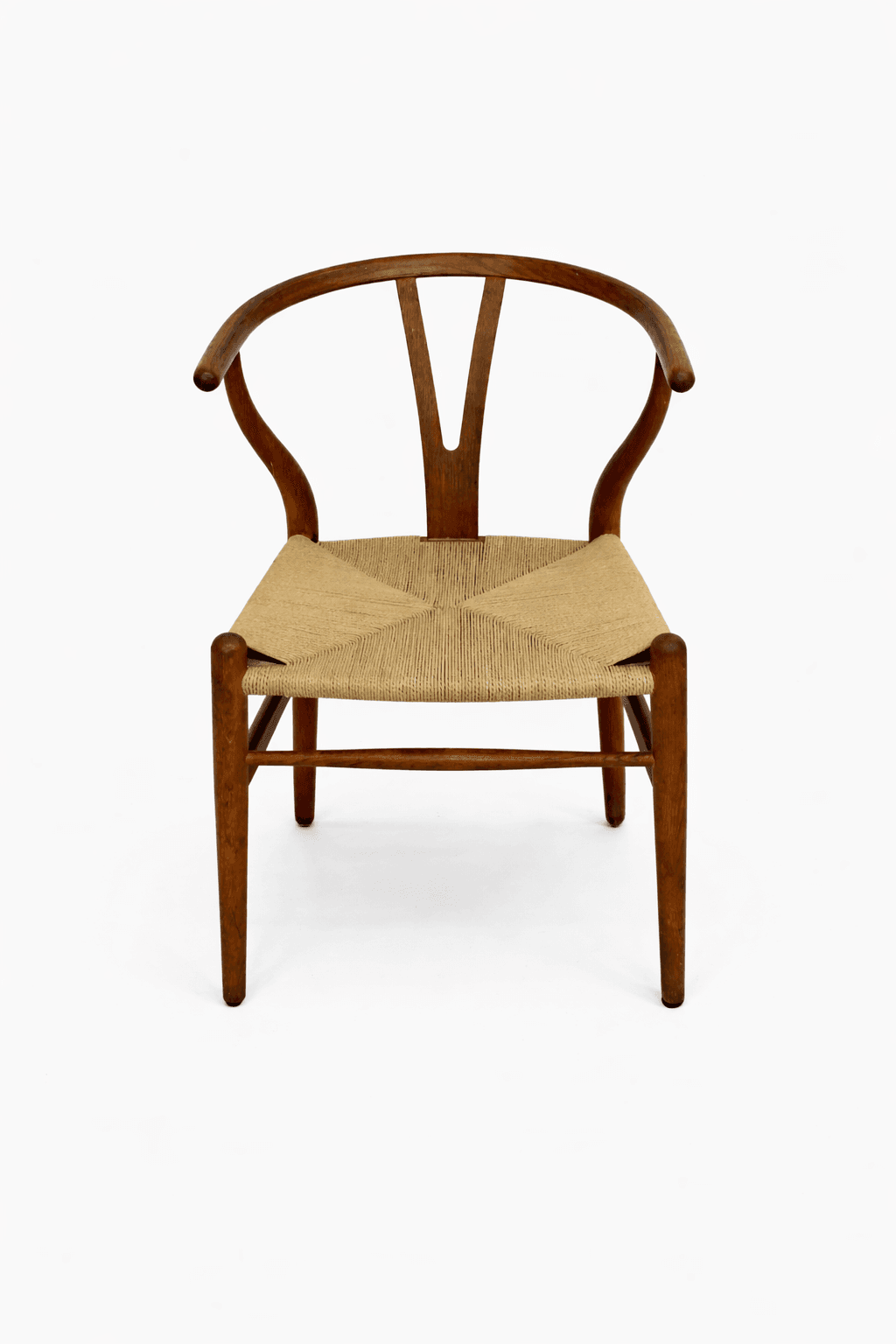
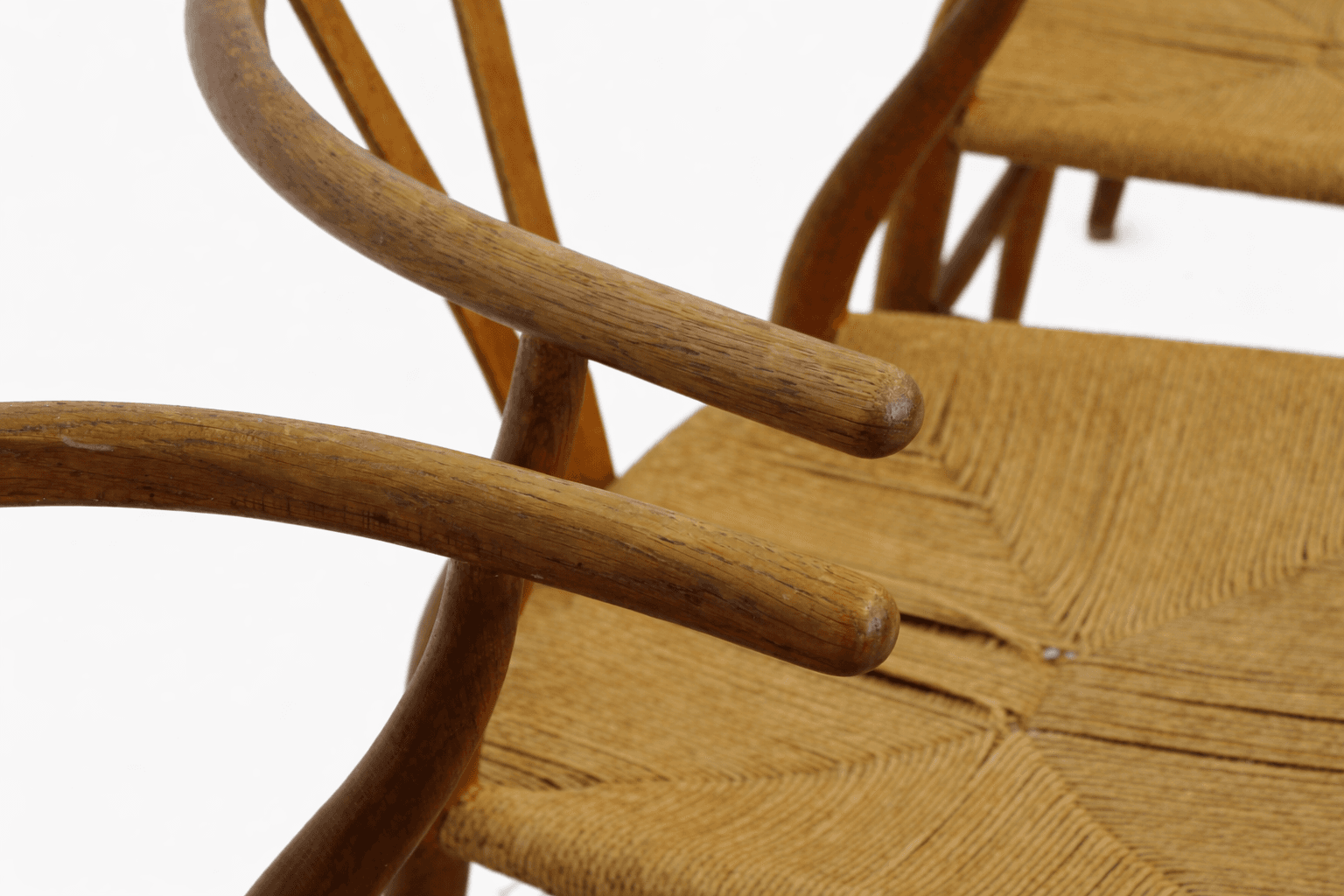
Danish cord is a durable, hand-woven seating material made from tightly twisted kraft paper, typically in a 3-ply construction. It was widely used by renowned Danish designers such as Hans J. Wegner and Niels Otto Møller in iconic pieces like the Wishbone Chair (CH24) and Møller dining chairs.
Unlike fiber rush, Danish cord is more tightly twisted and refined, creating a smoother, more structured surface. The natural finish of the paper cord serves as the final surface and does not require additional coatings.
Danish cord seating is most commonly applied using a continuous wrapping technique—often referred to as an unlaced weave—where the cord is tightly wrapped and woven around the frame without visible knots or edge stitching. This is the method used on the Wishbone Chair.
In some cases, a laced method is used, where the cord is tied or stitched along the edges, creating a visible border detail. However, this is less common in classic Danish modern designs.
Did you know
Each chair uses 100+ meters of cord and takes a few hours to weave by hand!
Ready to restore this piece?
Get a free estimate for restoring your Wishbone Chair (CH24). Upload photos and receive an estimate range.